30 Weeks Pregnant: Baby Size, Symptoms and UK Milestones
At 30 weeks pregnant, use this UK guide to understand baby size, common symptoms, likely NHS timing, and the practical dates to keep on your radar.
30 weeks pregnant at a glance
- You are in the third trimester.
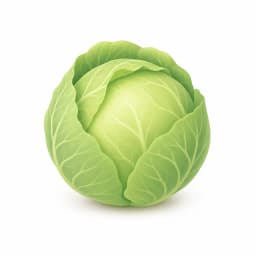
- Your baby is roughly the size of a large cabbage.
- Routine check.
- Every pregnancy is different, so don't worry if your experience varies slightly.
You are 30 weeks pregnant and in your third trimester. Your baby is about the size of a large cabbage. This week's key development: More Baby, Less Room. NHS note: Routine check.
This page is for general pregnancy planning and date guidance only. It is not medical advice, diagnosis, or treatment. Pregnancy dates are estimates and can change after a scan or advice from your midwife, GP, or maternity team.
If you have symptoms, concerns, or questions about your pregnancy, speak to your midwife, GP, or maternity team. For urgent help, use NHS 111; call 999 in an emergency. Read how we source and review content in our editorial policy.
Baby's Development
Your baby is about the size of a large cabbage.
More Baby, Less Room — Your baby is growing so quickly that the womb is becoming snug. Movements may begin to feel different — less rolling, more stretching and prodding. Your baby can now regulate their own body temperature to some degree.
Your Symptoms
- Fatigue returns
- Mood swings
- Discomfort when sitting
Every pregnancy is different. You may experience all, some, or none of these symptoms — and that's completely normal. If anything concerns you, speak to your midwife.
NHS Appointments
Routine check. Midwife will check if the baby is head-down (cephalic).
Practical Advice for Week 30
Nutrition
- Continue vitamin D daily.
- Your baby is growing rapidly — maintain a protein-rich diet.
- Omega-3 remains important for brain development in the final weeks.
- If you're retaining water, reducing (not eliminating) salt may help.
Exercise
- Gentle exercise helps combat the fatigue that returns in the third trimester.
- Birth ball bouncing helps your baby into an optimal position.
- Swimming is wonderful for relieving pressure on your pelvis and back.
- If sitting is uncomfortable, try kneeling or using a birth ball at your desk.
Wellbeing
- Third-trimester fatigue can feel as intense as the first trimester — nap when you can.
- Mood swings may return as hormone levels change again.
- If you're uncomfortable sitting, experiment with cushions and posture changes.
- Practice mindfulness or hypnobirthing techniques to prepare for labour.
Preparation
- Your midwife will check if baby is head-down (cephalic) — most are by now.
- If baby is breech, don't worry — there's still time and options.
- Ensure your hospital bag is packed and by the door.
- Install the car seat and practice taking it in and out.
Tip of the Week
Nap when you can. The third trimester can be as exhausting as the first.
Frequently Asked Questions for Week 30
How many months is 30 weeks pregnant?
What size is the baby at 30 weeks?
What are the common symptoms at 30 weeks pregnant?
Is 30 weeks in the third trimester?
Are there any NHS appointments at 30 weeks?
Tools & Calculators
Sources and further reading
Checked for UK week 30 pregnancy information guidance in July 2026.
- NHS Pregnancy Guidance
- NHS: Ultrasound scans in pregnancy
- NHS Start for Life: Pregnancy
- RCOG patient information
We prioritise official NHS and GOV.UK guidance, then relevant professional-body information where needed.
Source links are checked on the review date shown above. Your midwife, GP, maternity team, fertility clinic, or employer can give advice that is more specific to your circumstances.
Track Your Due Date
Keep track of your pregnancy milestones, NHS scans, and countdown to your due date.
Go to TrackerNHS Resources
Find trusted information on financial support, antenatal classes, and local maternity services.
View ResourcesLoading guide...