22 Weeks Pregnant: Baby Size, Symptoms and UK Milestones
At 22 weeks pregnant, use this UK guide to understand baby size, common symptoms, likely NHS timing, and the practical dates to keep on your radar.
22 weeks pregnant at a glance
- You are in the second trimester.
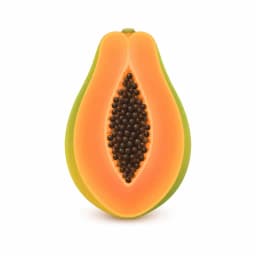
- Your baby is roughly the size of a papaya.
- Routine care.
- Every pregnancy is different, so don't worry if your experience varies slightly.
You are 22 weeks pregnant and in your second trimester. Your baby is about the size of a papaya. This week's key development: Looking Like a Baby. NHS note: Routine care.
This page is for general pregnancy planning and date guidance only. It is not medical advice, diagnosis, or treatment. Pregnancy dates are estimates and can change after a scan or advice from your midwife, GP, or maternity team.
If you have symptoms, concerns, or questions about your pregnancy, speak to your midwife, GP, or maternity team. For urgent help, use NHS 111; call 999 in an emergency. Read how we source and review content in our editorial policy.
Baby's Development
Your baby is about the size of a papaya.
Looking Like a Baby — Your baby now looks very much like a newborn in miniature, with fully formed features. They're able to grip with their hands and may even grab their own umbilical cord. Your bump is becoming unmistakable, and strangers may be noticing for the first time.
Your Symptoms
- Swollen hands and feet
- Back pain
- Protruding belly button
Every pregnancy is different. You may experience all, some, or none of these symptoms — and that's completely normal. If anything concerns you, speak to your midwife.
NHS Appointments
Routine care. Your midwife will measure your fundal height (bump size) from now on.
Practical Advice for Week 22
Nutrition
- Continue vitamin D daily.
- Eat protein-rich foods at every meal for your baby's rapid growth.
- Complex carbohydrates provide sustained energy — wholegrain pasta, bread, and rice.
- Include probiotic-rich foods (yoghurt, kefir) for digestive health.
Exercise
- Supportive shoes make a big difference for swollen feet and back pain.
- Avoid exercises that involve sudden twisting movements.
- Swimming continues to be ideal — weightlessness feels wonderful.
- If your midwife recommends it, a support belt can help with bump weight.
Wellbeing
- Swollen hands and feet are common — remove rings if they're getting tight.
- Back pain can be managed with good posture and supportive pillows.
- A protruding belly button is perfectly normal and will go back after birth.
- If swelling is sudden or severe (especially in face/hands), contact your midwife immediately.
Preparation
- Your midwife will start measuring fundal height (bump size) at appointments.
- Start thinking about what you'll need for the hospital — a bag list helps.
- Research local breastfeeding support groups — they're invaluable after birth.
- If you're self-employed, research Maternity Allowance eligibility.
Tip of the Week
Wear comfortable, supportive shoes to help with foot swelling and back pain.
Frequently Asked Questions for Week 22
How many months is 22 weeks pregnant?
What size is the baby at 22 weeks?
What are the common symptoms at 22 weeks pregnant?
Is 22 weeks in the second trimester?
Are there any NHS appointments at 22 weeks?
Tools & Calculators
Sources and further reading
Checked for UK week 22 pregnancy information guidance in July 2026.
- NHS Pregnancy Guidance
- NHS: Ultrasound scans in pregnancy
- NHS Start for Life: Pregnancy
- RCOG patient information
We prioritise official NHS and GOV.UK guidance, then relevant professional-body information where needed.
Source links are checked on the review date shown above. Your midwife, GP, maternity team, fertility clinic, or employer can give advice that is more specific to your circumstances.
Track Your Due Date
Keep track of your pregnancy milestones, NHS scans, and countdown to your due date.
Go to TrackerNHS Resources
Find trusted information on financial support, antenatal classes, and local maternity services.
View ResourcesLoading guide...